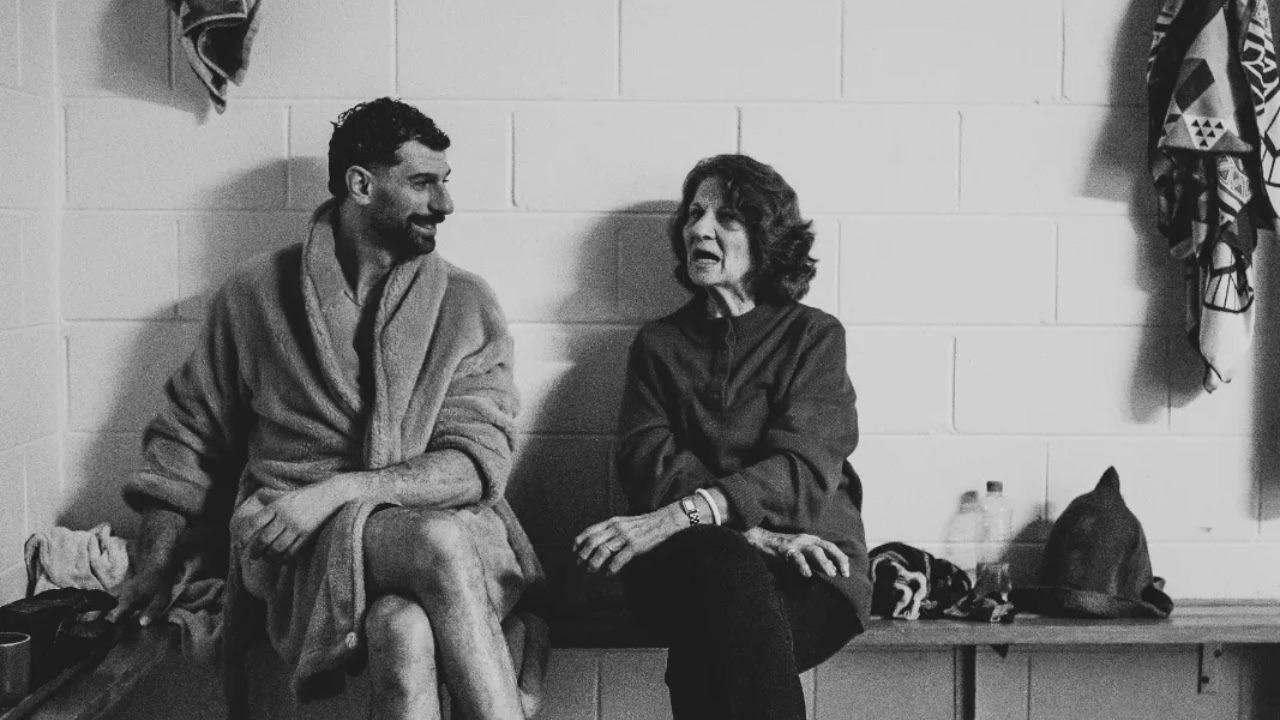

How sauna was used for deep spiritual healing and practice, in a tradition that reaches back thousands of years.
Greetings to all my fellow sauna lovers reading these words. I want to drop in with an article that takes a slightly different approach to sauna and its history, one that is steeped in tradition, myth, and medicine.
From the evidence we have, the earliest saunas date back as far as 10,000 years. These proto-saunas, as I will call them, were first used by the Sámi people of Northern Europe. The Sámi are the Indigenous peoples of northern Sweden, Norway, Finland, and Russia. They were predominantly reindeer herders and lived in deep connection with the natural environment.
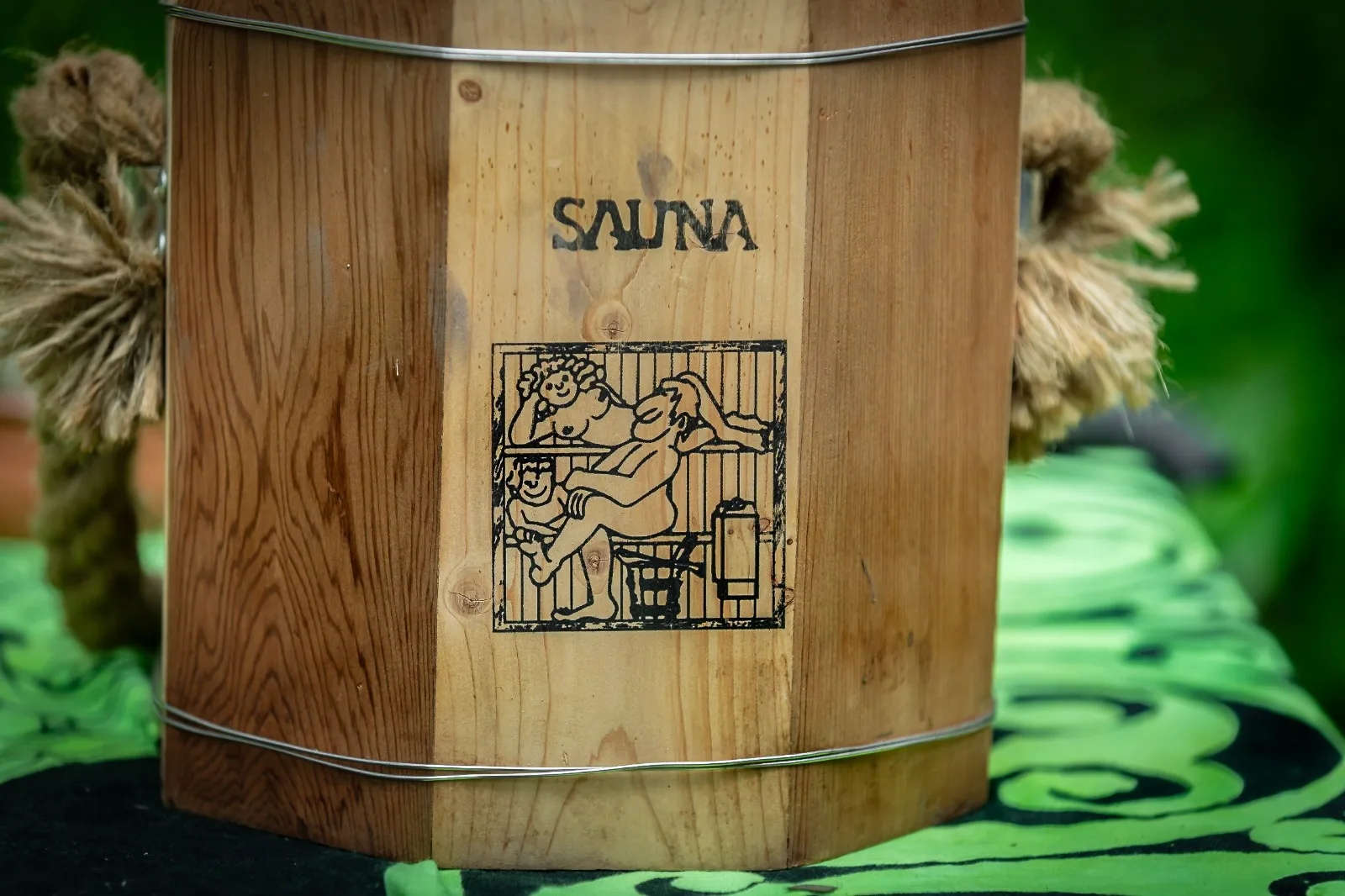
Born of the cold
Due to the intense cold of Northern Europe, the Sámi had to devise ways to stay warm during the harsh winter months. As a result, the very first saunas were born. These structures were quite different from the modern saunas we know today. They were typically pits dug in the ground and covered with animal skins to retain heat. They could also take the form of caves dug into the side of a hill with a door, or round or square tent-like structures very similar to the Native American sweat lodge.
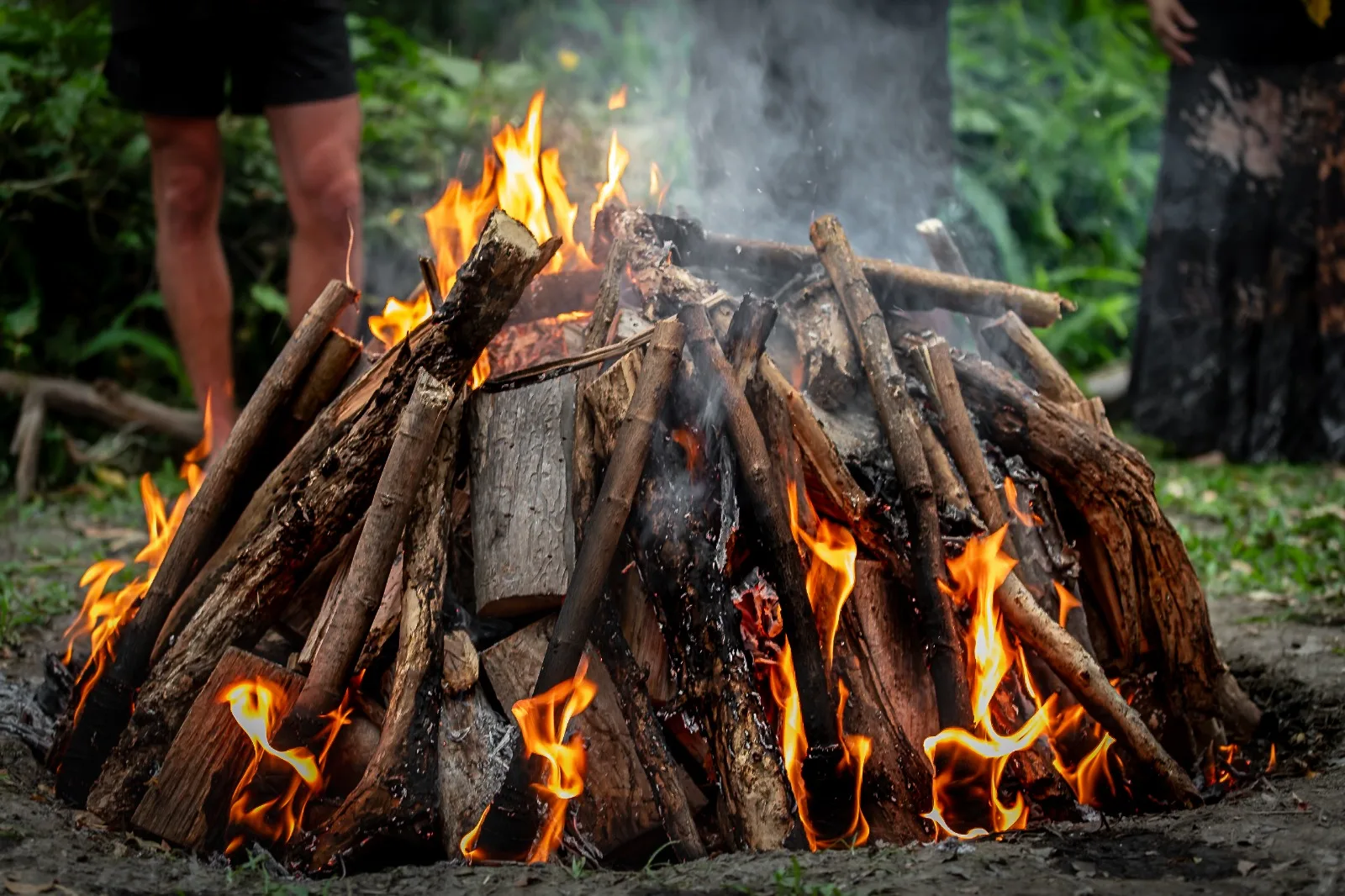
Volcanic stones would be gathered and heated over an open fire for several hours. These stones would then be transferred into the sauna structures, where water would be poured onto them to release heat and create the steam now known as löyly.
Sacred and clean spaces
These ancient saunas served purposes beyond warmth. They were used extensively for spiritual purification and the healing of physical ailments. The space was treated with great reverence and respect. Women were known to give birth in these ancient saunas, as they were considered clean, sacred spaces free from negative energies that could harm the newborn child. When people passed on, their bodies were also cleaned in the sauna to prepare them for the afterlife.
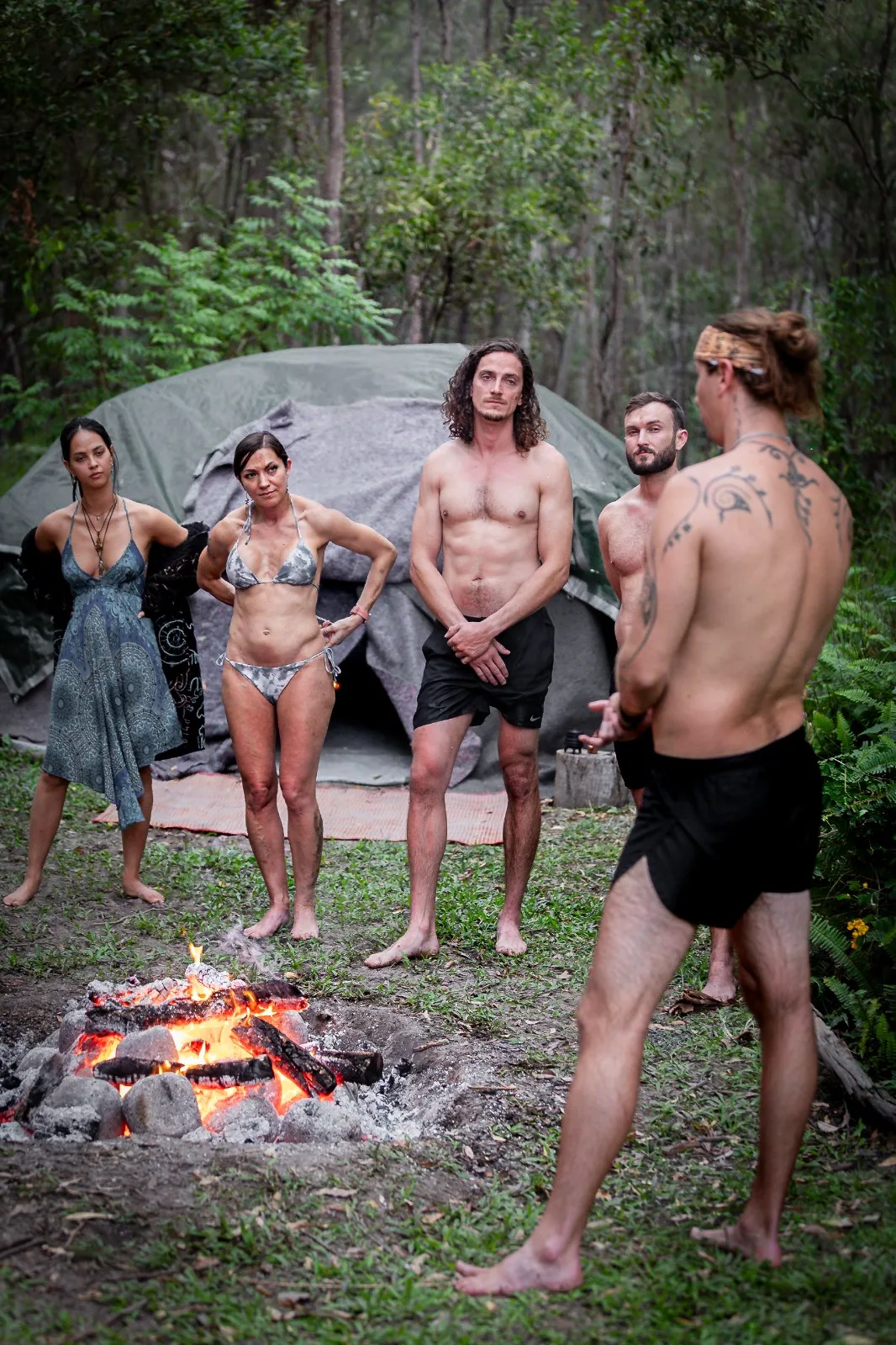
The Sámi intuitively understood the multitude of benefits their bodies and minds received from sitting in these saunas regularly. The practice became so deeply ingrained in their culture that it continues to this day, now in the form of the modern sauna.
From smoke sauna to modern stove
Over time, these proto-saunas evolved into the savusauna or smoke sauna, which is still popular in Finland and Estonia. This eventually led to the invention of the sauna stove, which can be either wood-fired or electric. After thousands of years of refinement, the modern sauna was born, one that most of you will be familiar with.
With saunas now a central focus in the wellness and biohacking space, more and more people are returning to the spiritual elements and roots of traditional sauna. People are realising that spiritual hygiene is just as important as physical or mental hygiene.
People are realising that spiritual hygiene is just as important as physical or mental hygiene.
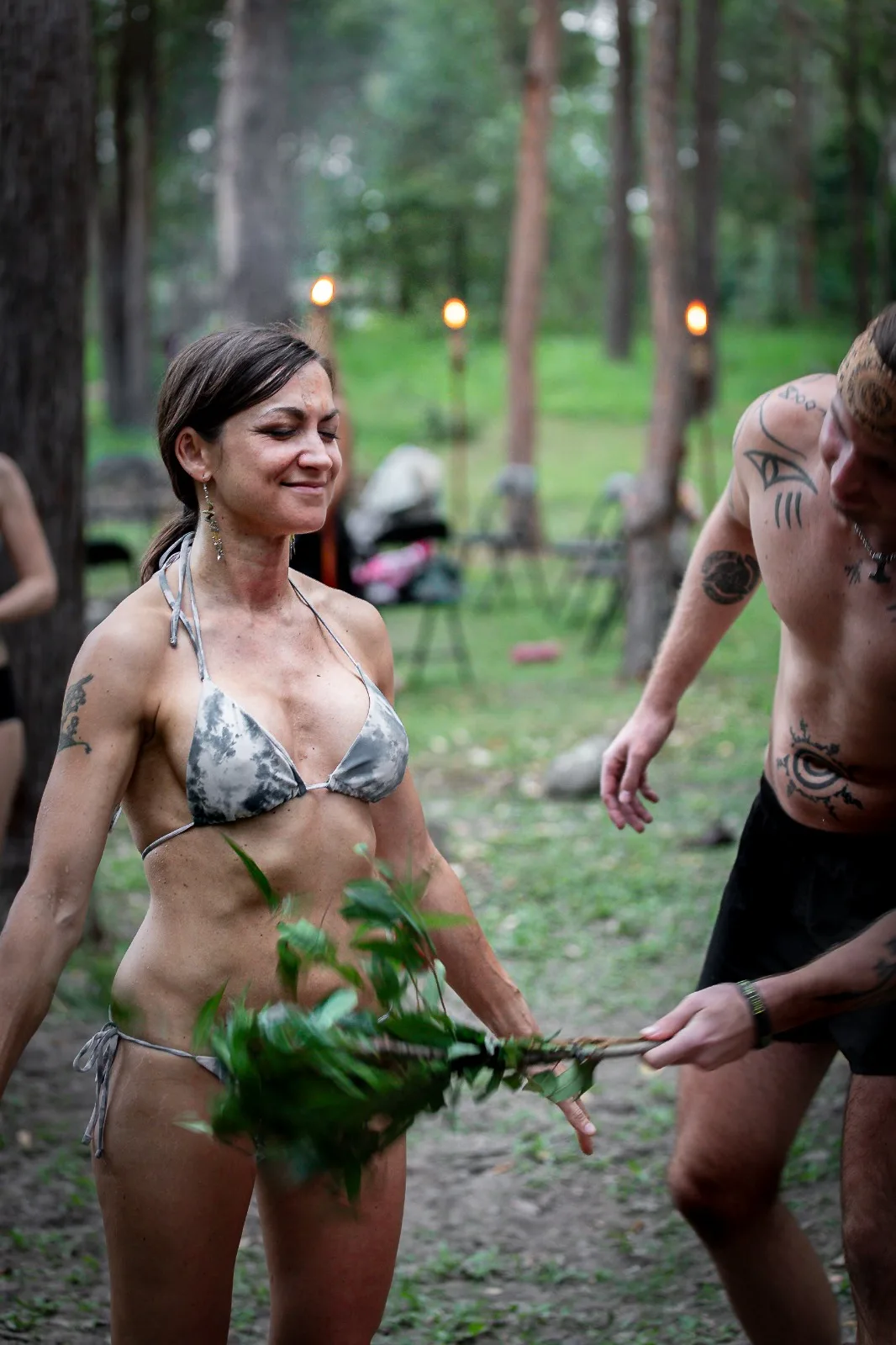
Whenever you exit the sauna, cool off in cold water, and feel that wave of euphoria wash over you, know that you are immersing yourself in a practice that echoes back thousands of years, a remembrance of the past in a modern world.
— Adam Strupek